

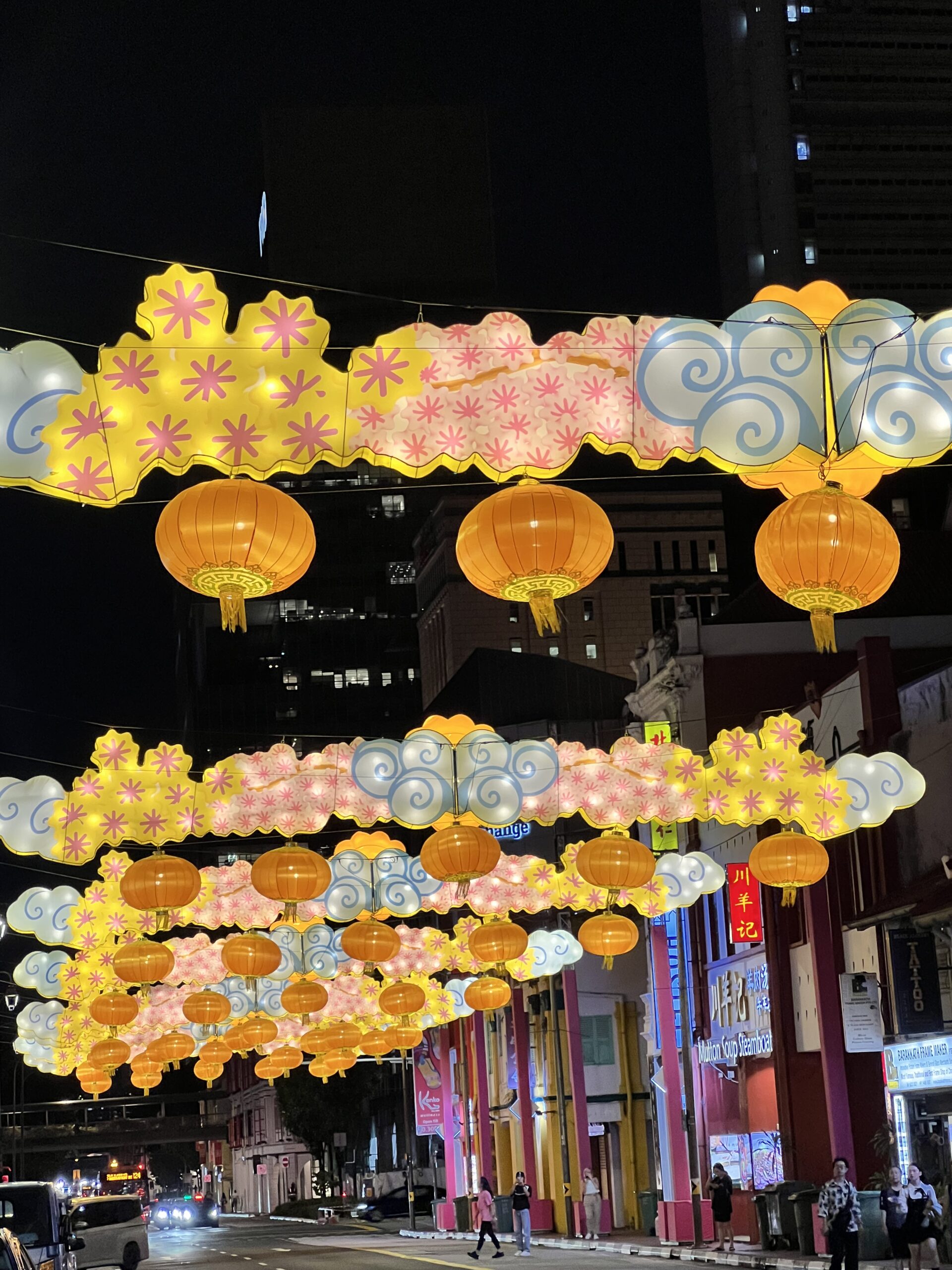
CHINATOWN MURALS IN SINGAPORE
Exploring the Colorful Murals of Chinatown Singapore: A Fusion of Heritage and Art
Chinatown, Singapore, is a district where the old and new collide, and its vibrant murals play an essential role in weaving the rich history of the area with contemporary artistic expression. The narrow streets, bustling markets, and traditional shophouses make Chinatown one of the most iconic parts of the city, but it’s the murals that have added a fresh layer of creativity, making it a must-visit destination for both locals and tourists alike. In this blog, we’ll explore the history, themes, and significance of the murals that have brought color and life to Chinatown.
The Artistic Revival of Chinatown
Over the past few years, Singapore has embraced the urban art movement, with Chinatown standing out as one of the most exciting areas where this fusion of heritage and contemporary art is most evident. The murals were introduced as part of the Chinatown Revitalization Project, a key initiative that aims to preserve the cultural identity of the area while modernizing it to attract tourists and locals. This has led to an influx of vibrant, thought-provoking artworks that adorn the walls of shophouses, back alleys, and public spaces throughout the district.
Murals as a Storytelling Medium
The murals in Chinatown often act as living narratives of Singapore’s heritage, culture, and transformation. Some are a tribute to the past, depicting traditional Chinese customs, festivals, and local trades that have defined the lives of early Chinese immigrants. Others delve into the more whimsical and contemporary aspects of urban life in Singapore.
1. Celebrating Local Traditions: One of the most common themes in the murals is the celebration of Singapore’s Chinese heritage. You’ll find murals illustrating scenes from traditional Chinese opera, lion dances, or the iconic dragon parades that are an integral part of celebrations such as Chinese New Year. These artworks serve as a visual ode to the traditions that immigrants brought with them and that have evolved over generations in Singapore.
2. Nostalgic Singapore: Many of the murals take a step back in time, portraying everyday scenes from Singapore’s history—such as old-school street hawkers selling kaya toast, nostalgic scenes from the 1960s, or the multicultural life that existed long before Singapore’s rapid modernization. This nostalgic approach highlights the simplicity and charm of a bygone era while juxtaposing it with the present-day fast-paced, cosmopolitan lifestyle.
3. The Integration of Modern Singapore: As Singapore evolves into a high-tech global hub, the murals also reflect the integration of traditional Chinese culture with modern-day innovation. Some murals feature abstract representations of technology or architecture, blending the city’s forward-looking spirit with its deep cultural roots.
The Artists Behind the Murals
The murals in Chinatown are not just created by local artists—they often involve collaborations with international talents, as well. Local street art collectives, graphic designers, and painters have worked side by side with global street art stars to produce a wide range of murals that vary in style, technique, and concept. This collaborative spirit has led to an explosion of creativity and an infusion of various artistic genres, from realism and surrealism to pop art and graffiti.
One of the notable artists who contributed significantly to Chinatown’s mural scene is Yip Yew Chong. He is best known for his large-scale murals that bring to life scenes of Singapore’s past, particularly the days of early Chinatown when the area was bustling with laborers, traders, and hawkers. His mural on the side of a shophouse on Trengganu Street, for example, features scenes of old Chinatown with an emphasis on the lives of the working-class residents. Yip’s murals are renowned for their attention to detail and for the emotional connections they create with viewers, transporting them to a simpler time.
The Themes of Chinatown Murals
While each mural is unique, several key themes emerge throughout Chinatown’s mural scene:
1. Cultural Heritage and Preservation: The primary theme of the murals is the preservation and celebration of Chinatown’s cultural identity. As a once-thriving hub for Chinese immigrants, Chinatown’s history is rich with stories of struggle, survival, and success. These murals serve as a visual record of that history and help foster an appreciation for Singapore’s multicultural fabric.
2. Daily Life in Chinatown: Many murals focus on the everyday experiences of life in Chinatown, often referencing traditional occupations that once defined the district, such as street hawkers, barbers, or herbalists. The lively scenes reflect the energy and grit of a community that thrived through hard work and perseverance.
3. Unity in Diversity: Given Singapore’s status as a multicultural society, the murals also convey themes of unity and diversity. Chinatown, while historically a center for Chinese migrants, has long been home to a melting pot of ethnicities and cultures. The murals reflect this diversity, showing scenes of harmony between the Chinese, Malay, Indian, and other communities that contribute to the city-state’s rich cultural landscape.
4. Nostalgia and Transformation: As Singapore has developed into one of the most modern cities in the world, the murals also explore the tension between old and new. Some murals focus on nostalgic elements of the past, such as kampongs (villages) or simple roadside businesses, while others introduce modern technology and skyscrapers. This contrast highlights the rapid transformation of Singapore, where the old does not simply disappear but is absorbed into the new.
Where to Find Chinatown Murals
Chinatown’s murals are scattered across various locations, adding an element of surprise for those who explore the area on foot. Some of the best-known spots for murals include:
- Telok Ayer Street and Ann Siang Hill: Both streets feature a collection of vibrant murals that showcase scenes of Chinatown’s past, including old shopfronts, street vendors, and traditional occupations.
- Smith Street: Known for its culinary offerings, Smith Street is also home to a number of murals that explore the theme of food and the hawker culture.
- Chinatown Complex: A bustling marketplace where murals depict a blend of old Chinatown and modern-day Singapore.
- Trengganu Street: Here, Yip Yew Chong’s murals have been praised for their nostalgic portrayal of early Chinatown life.
- Pagoda Street: Famous for its mix of traditional shops and modern eateries, Pagoda Street features murals that reflect both the historical and contemporary sides of the district.
The Impact of Chinatown Murals
The Chinatown murals in Singapore are more than just art—they are living pieces of the city’s history and cultural fabric. They offer an accessible and engaging way for both Singaporeans and visitors to connect with the stories of Chinatown and understand the evolving nature of the city. They remind us that while Singapore is a forward-thinking, modern metropolis, it is also a place steeped in tradition and history, where every corner tells a story.
Whether you’re a lover of art, history, or simply looking for a new perspective on Singapore, Chinatown’s murals provide a delightful and enriching experience. So next time you stroll through this vibrant district, take a moment to appreciate the mural masterpieces that adorn its walls—each one a window into the heart and soul of Chinatown.


